Airway Orthodontics in El Paso, TX

A Healthier Smile Starts With Better Breathing

A Healthier Smile Starts With Better Breathing

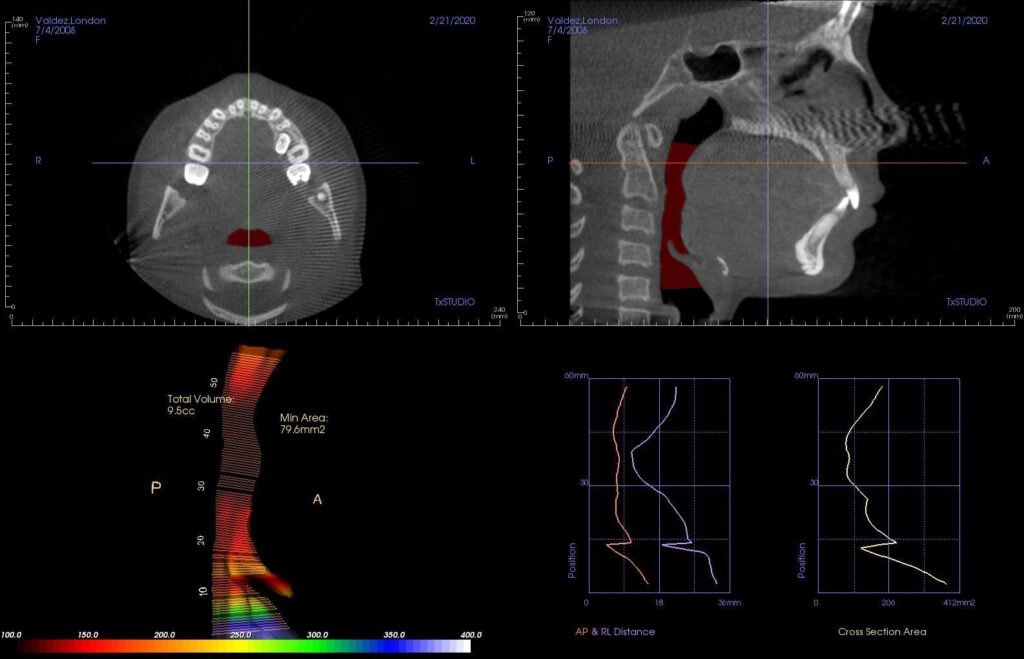
At Hansen Orthodontics & Aesthetics, we go beyond traditional orthodontics to treat the root cause of breathing-related conditions that affect sleep, energy, and overall health. With airway orthodontics in El Paso, we focus on expanding the airway through strategic dental and jaw alignment offering long-term solutions for both children and adults dealing with issues like snoring, mouth breathing, sleep apnea, or TMJ-related symptoms.

This specialized approach doesn’t just create a straighter smile — it helps you breathe, sleep, and feel better every day.

Breathe Better. Sleep Deeper. Smile Brighter.

Breathe Better. Sleep Deeper. Smile Brighter.

If you or your child is struggling with sleep, snoring, or chronic mouth breathing, airway orthodontics at Hansen Orthodontics in El Paso could be the key to long-term relief. Let’s take a holistic approach to your smile — one that helps you breathe easier and live better.

What Is Airway Orthodontics?

What Is Airway Orthodontics?

Airway orthodontics is a treatment method that prioritizes both dental alignment and airway function. By guiding the growth and positioning of the jaw and teeth, we help improve airflow and reduce the symptoms of obstructive sleep apnea, snoring, chronic mouth breathing, and other sleep-related breathing disorders.

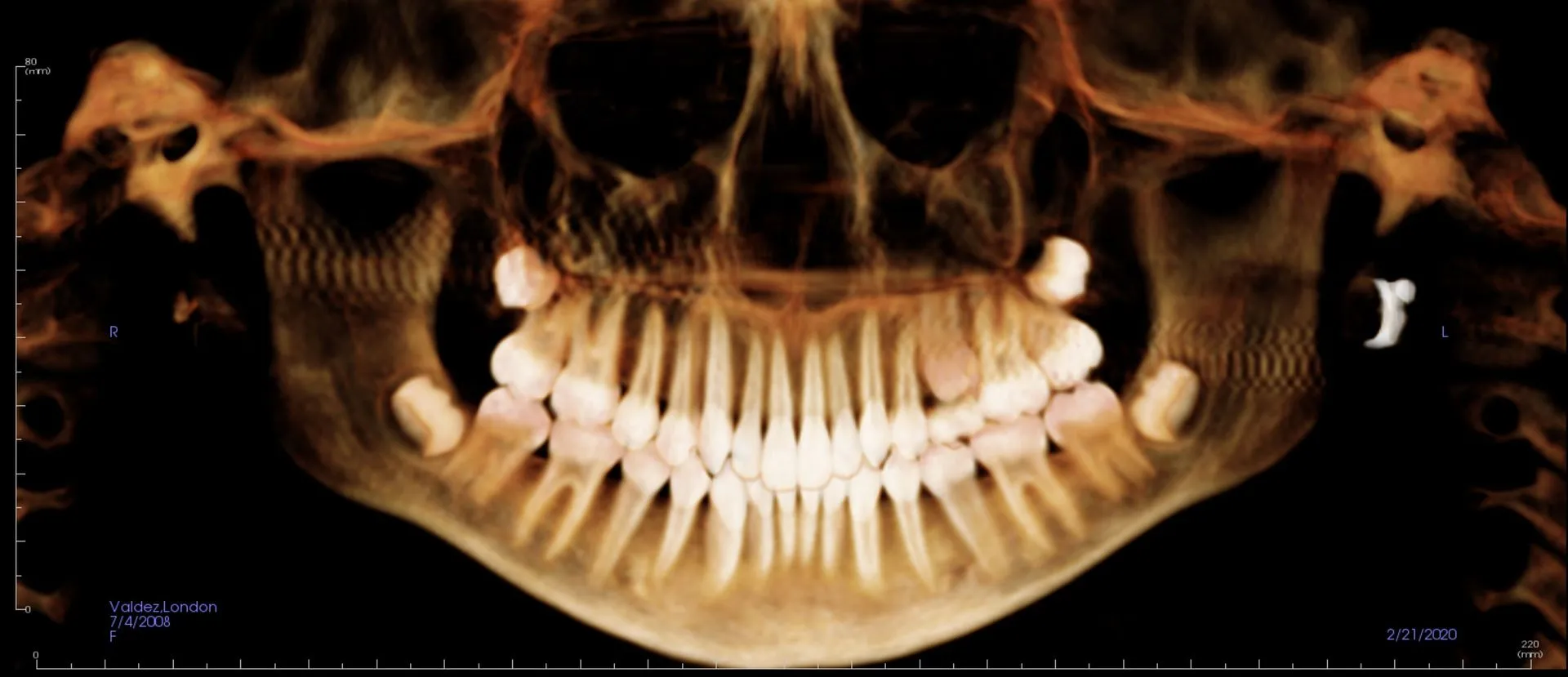
Through advanced techniques like palatal expansion and jaw alignment, we not only create space for the teeth to align naturally — we also open up the upper airway for improved respiratory health.

Who Is It For

Who Is It For

Airway orthodontics can be life-changing for both adults and children who show signs of restricted airflow or chronic breathing issues. You might be a candidate if you experience:

For Adults :

For Adults :

  • Loud or persistent snoring
  • Sleep apnea not resolved with other therapies
  • Daytime fatigue despite a full night’s rest
  • Mouth breathing or dry mouth upon waking
  • TMJ pain related to jaw misalignment

For Children :

For Children :

  • Snoring or difficulty breathing during sleep
  • Mouth breathing beyond toddler years
  • Restless sleep or frequent waking
  • Delayed growth or behavioral challenges linked to poor sleep
  • Crowded teeth or a narrow upper jaw

Early evaluation is key — especially for children. The sooner treatment begins, the easier it is to guide healthy airway development and prevent long-term complications.

Airway vs. Traditional Orthodontics: What’s the Difference?

Airway vs. Traditional Orthodontics What’s the Difference?

While traditional orthodontics focuses on straightening teeth and improving bite function, airway orthodontics is designed to improve breathing and quality of life. This comprehensive approach uses similar tools — like braces or aligners — but with the added goal of opening and supporting the upper airway.

Traditional Orthodontics

Traditional Orthodontics

  • Aligns teeth for cosmetic and functional goals
  • Improves bite, jaw position, and smile aesthetics

Airway Orthodontics

Airway Orthodontics

  • Expands the palate to increase airflow
  • Improves breathing patterns and oxygen intake
  • Supports treatment for snoring, sleep apnea, and TMJ issues
  • Creates better facial balance and symmetry through jaw development


Both can be combined to deliver transformative results — inside and out.

  •  

Benefits of Airway Orthodontics

Benefits of Airway Orthodontics

This treatment supports more than your smile. Patients often experience life-changing improvements like:

  • Deeper, more restorative sleep
  • Reduced or eliminated snoring
  • Better daytime focus and energy
  • Fewer TMJ symptoms like jaw pain or headaches
  • Healthier facial growth and development in children
  • Improved breathing and oxygen flow during sleep

When breathing improves, so does your body’s ability to rest, recover, and function.
Frequently Asked Questions

Frequently Asked Questions

What type of anesthesia is used for non-surgical gummy smile treatment?
Local anesthesia is typically used for non-surgical gummy smile treatment. It numbs the treatment area, ensuring the procedure is painless and comfortable. Patients remain awake but will not feel any discomfort during the laser contouring.
The duration of the treatment varies depending on the extent of gum tissue that needs to be contoured. On average, the procedure takes about 1 to 2 hours. This includes preparation, the actual laser treatment, and post-treatment instructions.
Yes, following the treatment, it is advisable to avoid hard, crunchy, or spicy foods for a few days. Soft and cool foods are recommended to minimize irritation to the treated gum area. Proper post-treatment care ensures quicker healing and better results.
Common side effects include mild swelling, redness, and slight discomfort in the treated area. These symptoms usually subside within a few days. Following the aftercare instructions provided by the orthodontist can help minimize these side effects.

While initial improvements can be seen immediately after the procedure, the final results are typically visible after the gums have fully healed. Complete healing usually takes a few weeks. Regular follow-up appointments will help monitor the progress and ensure optimal outcomes.

Hansen logo