
When most people think about orthodontics, they picture straight teeth and a beautiful smile. But modern dentistry has evolved far beyond aesthetics alone. Today, many specialists recognize a powerful connection between how we breathe, how our jaws develop, and how our bite functions. This growing awareness has led to a more holistic approach known as airway-focused orthodontics—an approach that looks at the whole patient, not just their teeth.
At Hansen Orthodontics & Aesthetics, this philosophy helps patients achieve not only a balanced smile, but also improved comfort, function, and overall well-being through carefully selected orthodontic systems and personalized treatment timing.
Why Breathing Matters in Orthodontics
Breathing is one of the most fundamental functions of the human body. Ideally, it happens quietly and efficiently through the nose. However, chronic mouth breathing—especially during childhood—can influence facial growth, jaw position, and dental alignment.
When airflow is restricted, the body adapts in ways that may negatively affect oral structures over time. Orthodontic care that considers airway health can play a meaningful role in identifying and addressing these patterns early, often before they become more complex.
Understanding the Airway–Bite Connection
The airway includes the nasal passages, throat, and surrounding structures that allow air to flow freely. The position of the jaws, tongue, and teeth can either support or restrict this space.
Key relationships include:
- A narrow upper jaw reducing nasal airway volume
- A retruded lower jaw affecting tongue posture
- Improper bite alignment contributing to airway collapse
- Poor tongue positioning impacting facial growth
By understanding this connection, orthodontists can develop more comprehensive and effective treatment plans that prioritize both function and alignment.
What Is Airway Orthodontics?
Airway orthodontics is an approach that considers how dental and skeletal structures affect breathing. Rather than focusing solely on straightening teeth, this method evaluates jaw position, facial growth, tongue posture, and airflow.
In many cases, modern orthodontic systems—such as the Damon bracket system, commonly known as Damon braces—are selected because they support lighter forces, natural arch development, and efficient alignment that may complement airway-focused goals.
This approach may benefit patients who experience:
- Chronic mouth breathing
- Snoring or restless sleep
- Daytime fatigue
- Jaw tension or discomfort
- Narrow dental arches
By supporting proper airway development, orthodontic care can positively influence both function and comfort.
Recognizing Breathing Issues Orthodontics Can Address
Many people don’t realize that orthodontic care can help address certain breathing issues orthodontics specialists commonly observe. These concerns often begin in childhood but may persist into adulthood if left unaddressed.
Signs may include:
- Difficulty breathing through the nose
- Frequent dry mouth upon waking
- Forward head posture
- Narrow smile or crowded teeth
- Fatigue despite adequate sleep
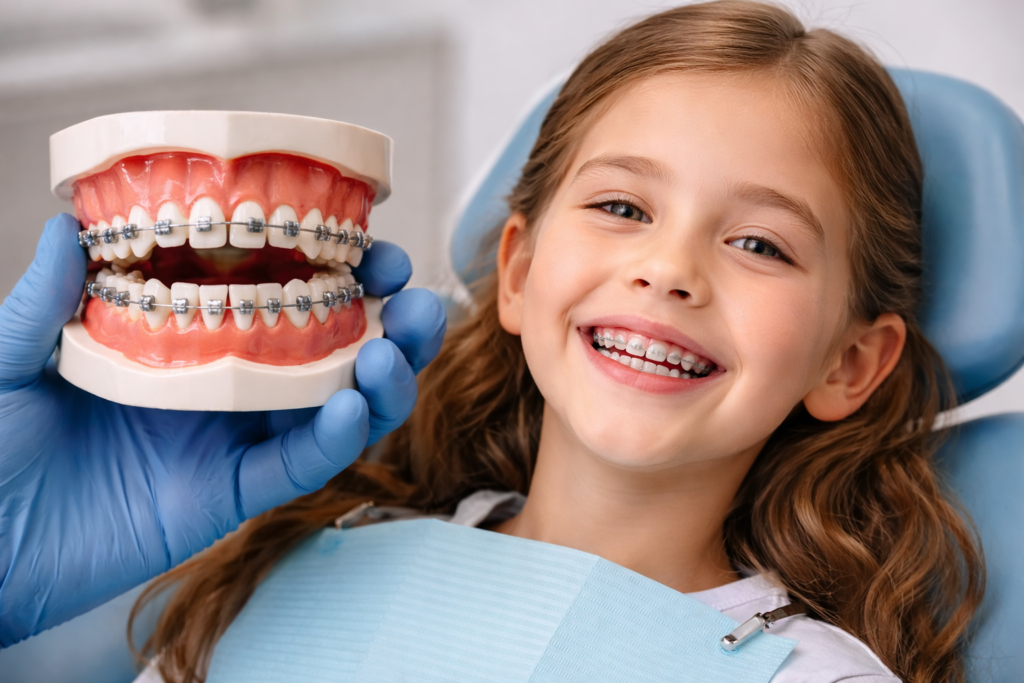
In growing patients, early braces may be recommended to guide jaw development at a critical stage, potentially reducing airway restriction and supporting healthier growth patterns.
The Link Between Orthodontics and Sleep Breathing
Sleep quality is closely tied to airway health. Orthodontics and sleep breathing are connected through jaw position and oral anatomy, which influence how easily air flows during rest.
Restricted airflow during sleep may lead to:
- Snoring
- Interrupted breathing patterns
- Poor sleep quality
- Daytime drowsiness
- Difficulty concentrating
While orthodontics does not replace medical treatment, it can be part of a collaborative care approach—especially when orthodontic appliances are chosen with airway considerations in mind.
How Jaw Development Shapes the Airway
The growth of the jaws plays a critical role in both facial balance and airway size. Jaw development begins early in life and continues through adolescence, making childhood and teen years especially important for evaluation.
Proper jaw growth supports:
- Adequate space for teeth
- Balanced facial proportions
- Healthy tongue posture
- An open and functional airway
Orthodontic guidance during growth phases allows providers to intervene proactively rather than reactively.
Why an Orthodontic Evaluation Should Look Beyond Teeth
A comprehensive orthodontic evaluation should assess more than alignment alone. Modern evaluations often include analysis of facial structure, jaw position, breathing patterns, and functional habits.
This broader assessment allows orthodontists to:
- Identify airway restrictions
- Understand growth patterns
- Detect functional imbalances
- Customize treatment timing
- Improve long-term stability
Treatment systems such as self ligating braces are often considered because they allow efficient tooth movement with reduced friction, supporting a more physiologic approach to alignment.
The Role of Functional Orthodontics in Airway Health
Functional orthodontics focuses on guiding jaw growth and muscle function rather than simply moving teeth into place. This approach is especially useful for younger patients whose bones are still developing.
Benefits may include:
- Improved jaw positioning
- Enhanced tongue posture
- Expanded dental arches
- Better bite coordination
- Support for nasal breathing
This method emphasizes balance, function, and long-term outcomes over short-term cosmetic changes.
Airway-Focused Care for Children and Teens
Early intervention can be especially impactful for growing patients. When airway concerns are addressed during development, orthodontists can often guide growth more effectively and reduce the need for complex treatment later.
Potential advantages include:
- Supporting healthy facial growth
- Reducing crowding risk
- Encouraging nasal breathing
- Improving sleep quality
- Enhancing overall comfort
Parents who understand the airway connection are better equipped to make informed decisions for their children’s orthodontic care.
Adults Can Benefit Too
Airway-focused orthodontic principles aren’t limited to children. Adults may also experience benefits through improved jaw alignment, expanded arches, or bite correction strategies that support airflow.
For adults, care may focus on:
- Optimizing jaw position
- Reducing dental crowding
- Supporting tongue space
- Enhancing comfort during sleep
- Improving overall oral function
Treatment plans are always customized to individual needs and goals.
Why Patients Choose Hansen Orthodontics & Aesthetics
At Hansen Orthodontics & Aesthetics, patients receive care that blends advanced orthodontic techniques with a whole-body perspective. The practice emphasizes education, personalized planning, and long-term results.
Patients appreciate:
- Thoughtful, comprehensive evaluations
- Modern orthodontic solutions
- Focus on function and aesthetics
- Collaborative, patient-centered care
- Commitment to long-term wellness
This approach helps patients achieve smiles that look great and feel even better.
When to Consider an Airway-Focused Approach
You may want to ask about airway-focused orthodontics if you or your child experience:
- Mouth breathing
- Snoring or restless sleep
- Crowded or narrow dental arches
- Jaw discomfort or imbalance
- Persistent fatigue
Early conversations can lead to proactive, preventative care.
Conclusion
Airway-focused orthodontics highlights the important relationship between breathing, jaw position, and bite alignment. By looking beyond straight teeth and addressing functional foundations, patients can experience benefits that extend far beyond their smile. With thoughtful evaluation and personalized care, orthodontics becomes a powerful tool for supporting long-term comfort, balance, and overall quality of life.