
Many people live with jaw discomfort, headaches, or worn-down teeth without realizing there may be an orthodontic cause behind these symptoms. Teeth grinding and clenching are common issues that affect both adults and teens, often developing silently over time. While stress is frequently blamed, bite alignment and jaw position play a major role in how these habits develop and persist.
At Hansen Orthodontics & Aesthetics, patients seeking orthodontics El Paso are often surprised to learn that orthodontic care can be a powerful tool in reducing grinding, clenching, and related jaw discomfort.
Understanding the Problem: Why Grinding and Clenching Happen
Teeth grinding, also known as bruxism, occurs when the teeth are forced together repeatedly, often during sleep. Clenching may happen during the day, especially during moments of stress or concentration. Over time, these habits place excessive pressure on the teeth, jaw muscles, and joints.
Common contributing factors include:
- Misaligned teeth
- Uneven bite contact
- Jaw positioning issues
- Muscle imbalance
- Chronic stress
When the bite doesn’t fit together properly, the jaw muscles may overwork to compensate, leading to persistent tension.
The Impact of Teeth Grinding on Oral Health
Left untreated, teeth grinding can cause significant damage that goes beyond simple discomfort. Because it often happens unconsciously, many patients don’t realize the extent of the problem until symptoms worsen.
Potential effects include:
- Flattened or cracked teeth
- Increased tooth sensitivity
- Gum recession
- Jaw soreness or stiffness
- Disrupted sleep
Over time, this damage can compromise both oral health and overall quality of life.
When Teeth Clenching Jaw Pain Becomes a Daily Issue
Jaw pain related to clenching often develops gradually. Teeth clenching jaw pain may appear as tightness near the ears, soreness when chewing, or discomfort when opening the mouth wide.
Patients may also experience:
- Tension headaches
- Facial muscle fatigue
- Clicking or popping in the jaw
- Neck and shoulder discomfort
- Difficulty relaxing the jaw
These symptoms often indicate that the jaw is working harder than it should.
The Role of Night Grinding Teeth and Sleep Habits
Many patients grind their teeth primarily at night. Night grinding teeth is particularly concerning because the force applied during sleep can be much stronger than during waking hours.
Nighttime grinding is often associated with:
- Poor bite alignment
- Jaw instability
- Sleep disruptions
- Morning jaw stiffness
- Unexplained tooth wear
Because patients are unaware of the habit, professional evaluation is essential for proper diagnosis.
Why Bite Alignment Matters More Than You Think
A balanced bite allows the jaw to close evenly and comfortably. When the bite is off, the jaw muscles may strain to find a stable position. Over time, this imbalance can trigger grinding and clenching as the body attempts to compensate.
This is where bite correction becomes a key component of long-term relief. By improving how the teeth fit together, orthodontic treatment can reduce excessive muscle activity and create a more relaxed jaw position.
How Orthodontics Addresses the Root Cause
Orthodontics doesn’t just focus on straightening teeth—it aims to create harmony between teeth, jaws, and muscles. By aligning the bite properly, orthodontic care can reduce the triggers that lead to grinding and clenching.
Orthodontic benefits may include:
- Even distribution of bite forces
- Improved jaw positioning
- Reduced muscle strain
- Enhanced long-term stability
- Protection against further tooth damage
This comprehensive approach targets the underlying cause rather than just the symptoms.
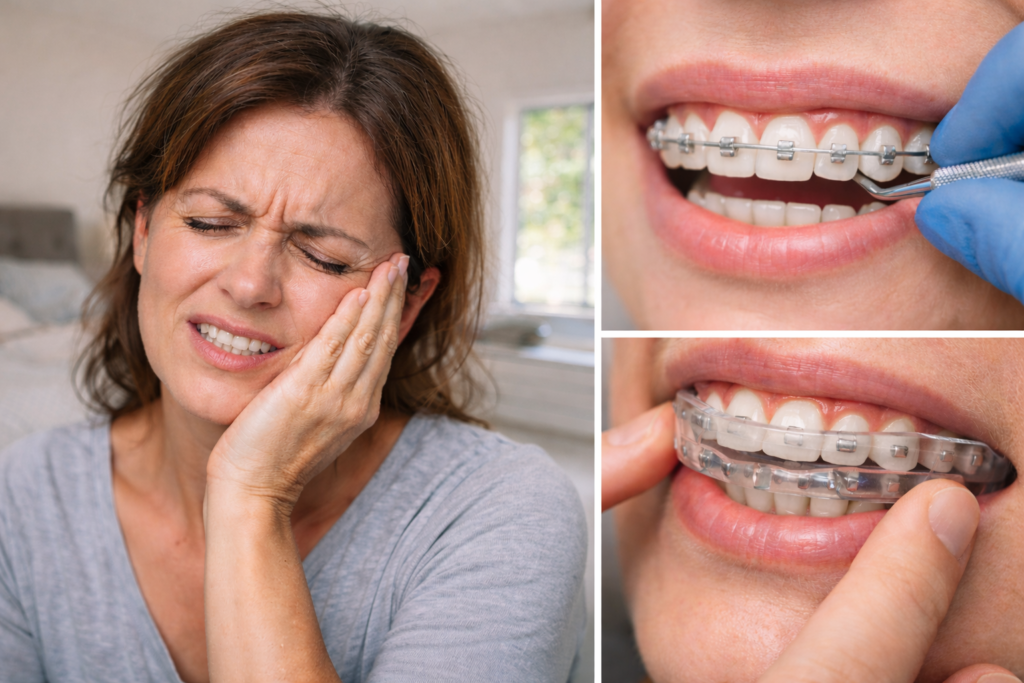
Orthodontic Solutions for Bruxism Explained
Many patients explore orthodontic solutions for bruxism after years of temporary fixes. While night guards can protect teeth, they don’t correct the structural issues that may be driving the habit.
Orthodontic care may involve:
- Aligning crowded or rotated teeth
- Adjusting bite relationships
- Improving jaw balance
- Supporting proper muscle function
- Enhancing overall oral stability
For many patients, orthodontics offers a more lasting solution than protective appliances alone.
The Relationship Between Bruxism Treatment and Orthodontics
Effective bruxism treatment often requires a multidisciplinary approach. Orthodontics can play a central role by addressing bite alignment, while other therapies may support muscle relaxation and stress management.
Orthodontic involvement may help:
- Reduce grinding frequency
- Minimize jaw discomfort
- Improve sleep quality
- Prevent further enamel wear
- Support healthier jaw movement
Treatment plans are always personalized based on each patient’s needs.
Reducing Jaw Tension Through Orthodontic Care
Chronic jaw tension is often a sign that the bite and muscles are out of balance. Orthodontic treatment can help create a more natural resting position for the jaw, allowing muscles to relax.
Patients often report:
- Less facial tightness
- Fewer tension headaches
- Improved comfort when chewing
- Reduced morning stiffness
- Greater awareness of jaw relaxation
These improvements can significantly enhance daily comfort.
Orthodontic Options for Teens and Adults
Grinding and clenching affect patients of all ages. Orthodontic care can be tailored to both teens and adults, depending on dental development and lifestyle needs.
Options may include:
- Traditional braces
- Clear aligner systems
- Bite adjustment strategies
- Retention plans for long-term stability
Your orthodontist will recommend the most appropriate approach after a thorough evaluation.
Why Early Evaluation Matters
The earlier bite issues are identified, the easier they may be to correct. Early orthodontic evaluations can prevent years of discomfort and reduce the severity of grinding-related damage.
Signs it may be time for an evaluation include:
- Worn or chipped teeth
- Jaw pain or stiffness
- Frequent headaches
- Audible grinding at night
- Difficulty relaxing the jaw
Proactive care often leads to better outcomes.
Why Patients Choose Hansen Orthodontics & Aesthetics
Hansen Orthodontics & Aesthetics takes a comprehensive, patient-centered approach to orthodontic care. The practice focuses on function, comfort, and long-term health—not just aesthetics.
Patients trust the team because of:
- Thorough bite evaluations
- Personalized treatment planning
- Modern orthodontic technology
- Emphasis on comfort and stability
- Commitment to lasting results
This philosophy helps patients achieve relief while protecting their smiles.
Conclusion
Teeth grinding and clenching are more than just habits—they are often signals of deeper bite and jaw imbalances. Orthodontic care can play a critical role in reducing discomfort, protecting teeth, and supporting healthier jaw function. By addressing alignment and bite harmony, patients can experience meaningful relief and enjoy improved comfort, sleep, and overall well-being for years to come.